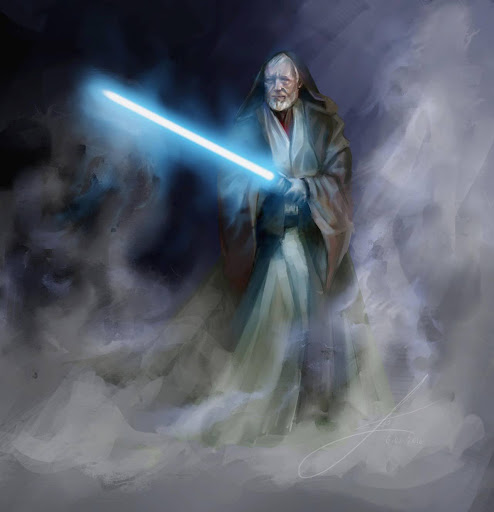
When watching Star Wars: Episode IV “A New Hope” it leaves you with a lot to process, but one scene in particular stands out. Obi-Wan Kenobi’s death.
Obi-Wan plays an important role in the story’s morals; his character is supposed to contrast the rise of Darth Vader. As the movie continues towards their final fight, viewers naturally expect an emotional outcome, however, it ends up in a way no one saw coming.
During the fight, Darth Vader strikes Obi-Wan and then he just vanishes! Poof! Gone! He didn’t struggle or seem injured; he just poofed. It’s so abrupt that it doesn’t feel cinematic or important.
The lack of aftermath makes the scene feel incomplete. In most movies, the main characters’ deaths are usually larger, including final words, lasting emotions, or context. The story immediately moves on, and for most, you might not even realise he died (at least until your best friend tells you).
Maybe it was intentional, and his death means to show the deeper connection to the force, showing that the sacrifice is larger than the physical defeat we were all waiting for. From a writer’s point of view, the moment is meant to be symbolic. Although, from a viewer it’s extremely disappointing.
The difference between the characters is also important; it creates an imbalance. Since Obi-Wan was viewed as powerful and quick exit may seem unusual for such a character. Whether you thought his death was extremely meaningful or you had to write an article about it because you were distraught, it’s still one of the best parts of the film. In the end, it’s clear: for a character like Obi-Wan with so much significance and power, they should have made sure his ending matched his impact in the series.