
The Joy of Reading
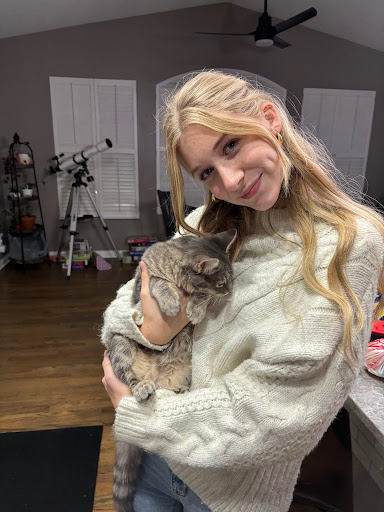
Sometime, when the August heat dies, and Autumn softly dawns. When it’s finally time for hot cups of coffee again, that warms your hands through a mug. And wearing fuzzy socks for the first time in a long time. And knee socks. And cinnamon. And finding crunchy leaves on walks home. And fireplaces. And curling up against said fireplace with a cat. And losing yourself between the folds of a book.
One of the most euphoric, transformative experiences a reader can endure is the feeling of shelving a heavy day’s weight to de-shelf a good book. Though your brain is moving faster than it likely would if you were simply baking an apple pie, it feels calmer and distant, as if you’re not thinking at all. As if your brain is subconsciously building and designing a world constructed by words alone- which it is. The same goes for watching a movie or T.V. show- though it’s not inducing the same amount of brain activity- it’s so hypnotic in entertainment, you almost forget the reality to which you truly belong. What a dream.
Two Sides of The Same Coin
It’s a commonly known fact that writers love to read. Figures. Everything ever made has originated from one creative idea that was inspired by another. And every book follows the same format: inciting incident, rising action, climax, and resolution. And the best part about reading- every book performs this uniquely. It’s a pretty easy pattern to recognize once you’ve read a couple of books. Most elementary schools even teach this format to encourage students to follow it along as they read and as they write. It only gets tricky when taking a liking to reading as a kid turns into being a post-it-notes-lining-the-every-wall-in-my-room kind of writer. While reading and writing are two sides of the same coin, the two don’t go as hand in hand as they might seem.
Through The Lens of a Writer
It would be unfair and unreasonable to say that being an avid writer had ruined the magic of reading, but it’s not such a far stretch. The intricate level of planning that plays into plotting out a book is a complex process- hence the wall of post-it notes. Once you learn a book’s skeleton, it’s hard to forget the image. You might find yourself distracted by an author’s methods of plot structure and scene placement rather than letting the story do the telling. Every character and literary metaphor becomes a mental note rather than a fragment to admire. And after all, that’s what readings all about. It’s also a part of a writer’s nature to critique their every move as they go about their writing. Sometimes it can be difficult to remember that- when reading, you don’t have to be on your guard anymore. The story is already finished for you to enjoy.
Separating One From The Other
Reading is arguably the best hobby you can use to exercise your writing skills. It teaches you about character development, vocabulary, tropes, and plot structure. It is literally a near-perfect example of what an end product should look like based on what your finished goal looks like. It can teach you what you want to see more of in your own projects, and what you’d like to see less of. But more importantly, a separate journey. The author’s purpose of their book is never to be compared to another, nor is it to be torn down to the bone, to find its skeleton. It is simply meant to be read and enjoyed with a cup of hot coffee and a cinnamon-scented candle- nothing more and nothing less.