
There are many types of desire but by far the worst and probably the most common is reserved for things we almost have. Not the things that are impossible, because you can give up too easily. It’s the things that are just close enough to touch. The things that start to make you think, If I just worked a little harder I could have that, it could be mine.
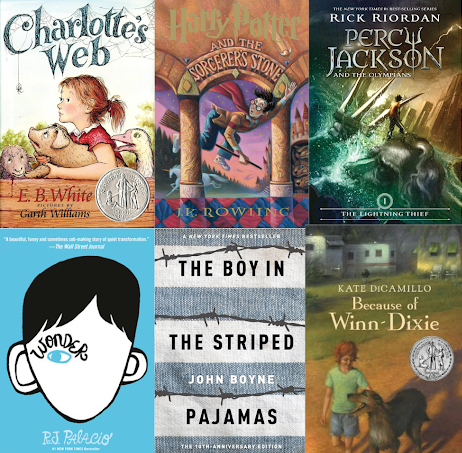
Maybe it’s your dream job or education, that book you can’t find, or the person who is just out of your league.
When something is slightly unattainable, we make it our mission in life to have it. Which makes me wonder, do we actually want it or do we just like the feeling of wanting something?
Power of Almost
There is something odd about certainty; when something is guaranteed, it starts to lose its appeal. But when it’s in that gray area of possible but not promised is when it gets exciting. Our brains love the uncertainty of it all because it feels like hope. Which is more thrilling than the reality we don’t have the courage to face.
This is why people refresh their phones waiting for a text, or why addicts go back even though they know it won’t end well. The “almost” is dopamine in disguise.
We don’t mean to be dramatic on purpose. Our brains just want to enjoy the show.
Why Easy Things Stop Feeling Special
If Something is always there, always waiting for us, we start to think it’s not special. It’s not fair, but it’s true. We think effort is linked with its importance. If it doesn’t require effort, we assume it’s trash. Just because something is cheap doesn’t mean it’s not good quality.
This is how we end up chasing something, while stability was right in front of us the whole time. Just because it was easy to acquire doesn’t make it replaceable, and we need to see that. It’s like why we romanticize handwritten notes but ignore the texts that say the same thing…
Somehow, struggle became romantic.
The Unattainable Person Problem
Thinking like this becomes dangerous when it’s applied to people. There aren’t many things more appealing than that person who doesn’t care about you in the slightest. The ones who give mixed signals and an occasional glance your way. Just enough for you to stay interested. Emotional distance gets mistaken for depth.
We start putting all our faith into someone who didn’t do anything to deserve our devotion. We fall in love with potential, imagined conversations, with the version of them that lives rent-free in our heads.
Meanwhile, the people who outright hand their feelings to you are seen as “boring.” Not because they are, but because there is no chase. We live for a challenge, and if you are to attainable their is no challenge.
Social Media’s Illusion
The internet makes you feel like everything is limited. Social media’s whole job is to make you feel like you need everything they are showing you, and make you think you need it now. Trends feel valuable because they disappear. Experiences are more meaningful because they are “rare”. Even being happy feels like something you have to earn.
When everyone else wants something, it makes you want it more. Like when your sister has to have what you have 24/7. Its a universal feeling. Not because that item is better, its because it feels more important because you had it.
The irony
The funniest part is that once you actually have it, the obsession is gone. The person committed, the book came in stock, or the movie is streaming.
Suddenly, you don’t want it anymore.
It was never about the thing itself; it was about the wanting, the buildup, the process, the emotional investment it became. Once the chase ends, so does the obsession.
Did you ever really want the book? Or were you just addicted to the feeling of wanting it?
Is Loving the Chase a Problem?
I’m not saying wanting things is abnormal. Wanting people is normal. But when the uncertainty starts feeling like passion, it might be worth asking yourself what you’re actually chasing. Consistency doesn’t feel like you’re in a movie, but it doesn’t leave you exhausted. Maybe the issue isn’t that we love unattainable things. Maybe we love longing, maybe wanting is more important than having. And maybe everything we chase isn’t out of reach; we just don’t know what we would do if we got it.