
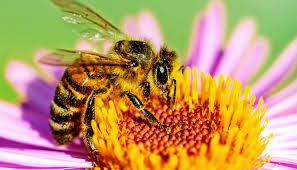
Beekeepers worldwide have reported incredibly and dangerously huge losses of honeybee colonies between 2024 and 2025, with Morning Ag clip news estimating a loss of over 60% of honeybee colonies during the 24-25 year. This year has been one of the worst periods of death surges in beekeeping history. In the previous years an average of between 10–20% of colony loss during the winter months was considered sustainable, this recent year has broken that record drastically.
Why This Is Important
Honeybees play an incredibly large, essential, and important role in pollinating crops that make up most of the human diet. For example, the Guardian, when reporting on honeybee decline, they found that bees help pollinate around half of the crops consumed in the United States, including fruits, nuts, and vegetables.
Without a significant population of honey bees, the amount of available food will decline and food costs will, in turn, increase because of the decreased supply. For example, California’s almond industry relies almost entirely on honeybee pollination, meaning hive shortages can cause major economic problems and production risks.
What We Should Expect This Year
Experts say honeybee losses are caused by multiple reasons. The Varroa destructor mite is a major reason for honeybee decline as it weakens colonies and spreads harmful viruses among honeybees, making it one of the most damaging threats to their survival. Pesticide exposure, habitat loss, climate change, and nutritional stress also place pressure on honeybee populations. Researchers warn that if these factors continue, losses could reach record levels again in the coming seasons. However improved hive monitoring, new Varroa destructor mite treatments, and research into bee nutrition give hope for stabilization of bee colonies and their population if these techniques are widely implemented across the world.
What Can We Do to Try to Prevent This
Experts say that people and their communities can help support honeybee health through many agricultural and conservation habits. Agricultural habits like planting native flowers and taking care of different unique landscapes that honeybees inhabit can help the production of nectar and pollen that honeybees need to survive. Other habits like reducing the use of pesticides especially can also help prevent extensive harm to bees and their ecosystems. You can also support your local beekeepers who nurture bee colonies by purchasing local beeswax and honey products. Also conserving wildflowers and their habitats will strengthen honeybee ecosystems.