
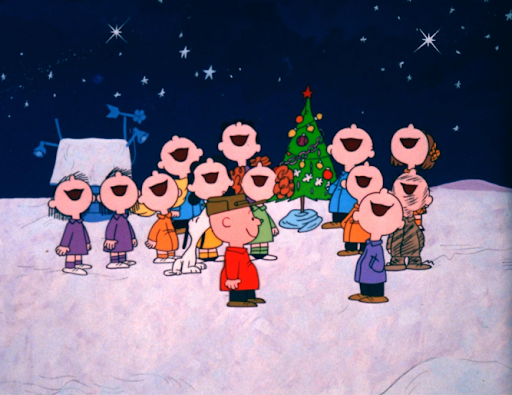
Christmas music has become a beloved tradition, captivating listeners by creating feelings of nostalgia, joy, and excitement. The consistent popularity of Christmas music shows its cultural significance, as well as its ability to change and evolve. The success and prominence of Christmas music comes from a combination of artistic and psychological factors.
What makes a Christmas song popular?
Professor Joe Bennett of Berklee College of Music conducted a study analyzing the musical and lyrical traits of the UK’s most popular Christmas songs. The study suggest that the “ultimate” Christmas song would be in 4/4 time, be in a major key-such as C major or A major, and have sleigh bells playing before the chorus. It would also have a lyric theme relating to Santa, snow, home/family, or being in love at Christmas, a tempo of approximately 115 bpm, and would be sung by Michael Bublé. Many popular Christmas songs are also older or classics, as it is typical to feel nostalgic during the Christmas season.
Artistic Factors
The popularity of Christmas music is largely due to its unique ability to blend genres together. For instance, “Santa Tell Me” by Ariana Grande, and Phoebe Bridgers’ cover of “Have Yourself a Merry Little Christmas” are both Christmas songs, but the first is a pop song while the latter is alternative/indie. Blending genres and styles allows for Christmas music to cover a wide range of emotions – some songs are meant to invoke feelings of joy and nostalgia, while others create feelings of sadness and heartbreak. No matter what emotion you feel, there is a Christmas song for it.
Psychological Factors
There are many psychological reasons why people love Christmas music – a prominent one being the exposure effect. The exposure effect is a psychological phenomenon where people tend to develop a preference for things simply because they are familiar with them. Essentially, the more you are exposed to something, the more likely you are to like it. Exposure effect also strongly shapes consumer behavior because familiarity often translates into trust and preference. Brands can use the popularity of Christmas music to bring in more consumers.
Another contributing factor is nostalgia. Christmas music reminds people of their family and friends, as well as memories they otherwise wouldn’t think of. The American Psychological Association says the nostalgia can serve as reminders of what is important in life, and can boost mental health in lonely people.
Christmas music will never go out of style because it is tied to the memories of the people we care for the most, and it reminds us of what is really important.