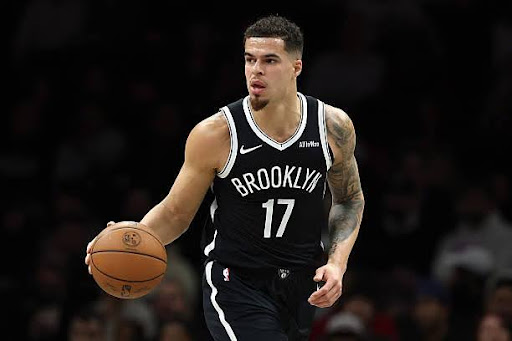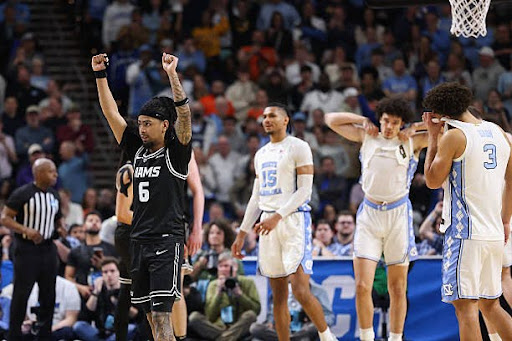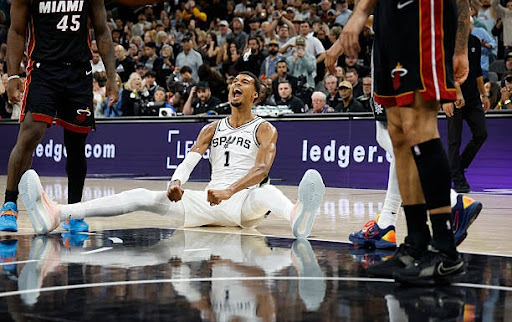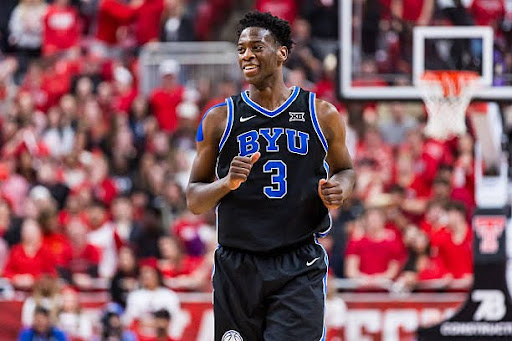
The NBA playoffs have begun, meaning no more meaningless end-of-regular-season games and the shift to physical, stressful playoff basketball. However, the Playoffs this year will be missing a number of the league’s premier players and are sure to lose more, as is typical in the NBA Playoffs. So far, star players such as Kevin Durant, Luka Doncic, Austin Reaves, and now, Anthony Edwards have missed playoff games. Building on this, last year, star players Tyrese Haliburton, Damian Lillard, and Jayson Tatum all tore their Achilles in a single year of Playoff Basketball. Obviously, injuries happen, and no amount of game reduction will be able to change that. However, injuries can absolutely be minimized if Adam Silver and the owners decided to do what was best for the players and the fans and reduce games, instead of prioritizing money like usual.
65-Game Rule and Awards
Recently, the passage of the 65-game rule for awards was passed to try to change the number of rest games that star players took, and to incentivize playing the games. However, the idea for this new rule came from a grave misunderstanding by owners and the Commissioner as to why these players are resting games. Over the past couple years, since this institution, it has become increasingly evident that players were not sitting games due to a lack of passion for the game. Rather, players rest in games because it is necessary to keep themselves and their bodies able to sustain a full NBA season and deep playoff runs. Last season, Obi Toppin and TJ McConnell each played 102 games from the beginning of the Regular Season to their final game, Game 7 of the NBA Finals. That is 102 games in 242 days. With the intensity of NBA games on the body and true athletic feats that these athletes perform day in and day out, that is simply unsustainable.
Tanking
Another glaring problem with the 82-game season is that of tanking. This is not a problem that can only be fixed by the reduction of the Regular Season; however, shortening the regular season means that there is less of a gap for losing teams at the end of the year and still a chance to make the playoffs. This season, the Indiana Pacers were the first team eliminated from the NBA Playoffs an entire month before the season ended. After their 65th game, the Pacers were eliminated from the playoffs and were 100% incentivized to lose the rest of the games on their schedule. The tanking started earlier for Indiana and many other teams, such as the Wizards and Jazz, who traded for star players like Anthony Davis and Jaren Jackson Jr. to shut them down for the rest of the season in the first week of February. Shortening the season gives the better teams less time, and less of a gap to distinguish themselves from the bad teams, and makes the meaning of 1 game that much more important.
Conclusion and Solution
For the NBA to guarantee that they are still producing the best product for fans deep into the regular season, while maintaining the on-court level of Playoff Basketball. Adam Silver needs to shorten the regular season, effective immediately. A schedule where teams face division opponents 4 times, other conference opponents 3 times, and opposite conference opponents once, would be most effective in shortening the season. This comes out to 61 games, and the length of the season must stay the same so that players have more rest in between games, while also maintaining a fair amount of time in the off-season to recover for the next.