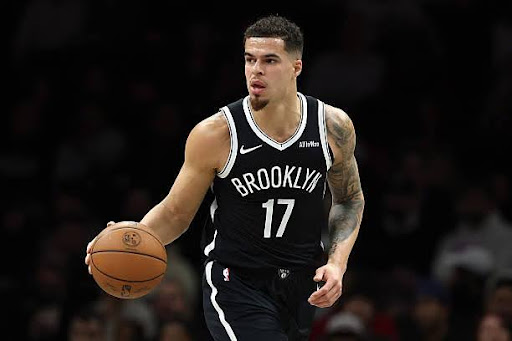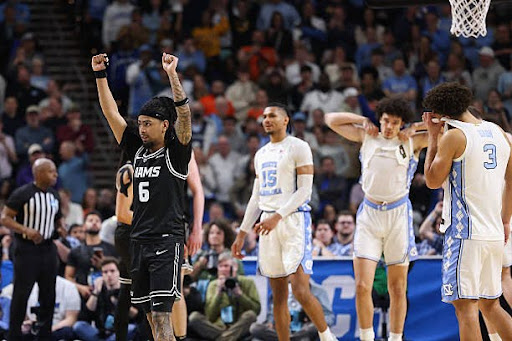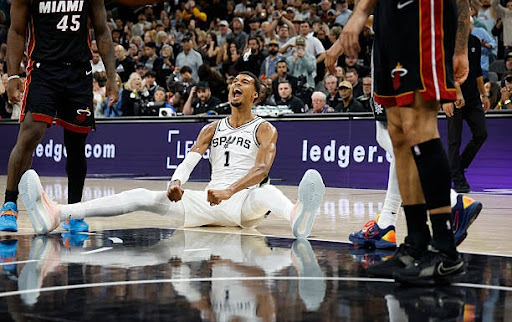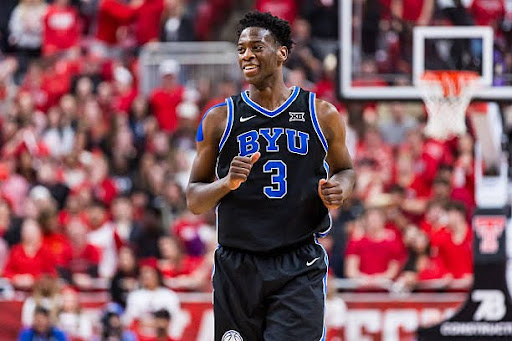
With the commitments of Flory Bidunga and Jackson Shelstad and efforts by Donald Trump and the NCAA to change transfer rules, the state of the transfer portal is bound to change. Donald Trump’s proposed executive order restricts eligibility to 5 years, with one transfer penalty-free and another if the athlete graduates in 4 years. The NCAA similarly proposed a rule that an athlete has a 5-year timer from their high school graduation or 19th birthday, whichever comes first. No waiver requests, redshirts, or exceptions will be permitted, except for a small group of outliers (those on maternity leave, military service, or religious missions). Despite both parties bringing proposed changes to the portal, it has not affected the current basketball transfer portal. Many athletes have entered the portal for their 2nd, 3rd, or 4th time in their careers, while players as old as 25 have made significant impacts for teams while still holding 4 years of eligibility.
Transfer Portal Pay
Although eligibility concerns have been at the forefront recently, talks about reducing NIL funds are similarly a topic of conversation. In the College Basketball portal, over 2000 players have entered, and there are surely more to come. At the top of the portal class, guys like Flory Bidunga and Jackson Shelstad, in their package deal to Louisville, reportedly commanded over $9 million combined. The best teams in college basketball are spending over $20 million on their rosters, and it pays off. This past season’s national champion, the Michigan Wolverines, signed the No. 2 portal class according to 247, and the team’s entire starting lineup consisted of transfer portal acquisitions. The introduction of NIL and the transfer portal means that players get paid even for staying at their previous school.
Downsides of the Portal
The Transfer Portal brings the athletes more money and rewards them for their hard work on and off the court. But there are also many untapped downsides to the portal. First, it detracts from the parity of the sport. With increasing NIL funds, it seems that the same teams will be the ones with the most money, and they will be able to sway the top guys in smaller programs away. At the same time, it means that programs can completely turn around in one season with a good portal class or influx of money. Lastly, it can lead to players ruining their futures in the pursuit of money. This has already happened with guys like AJ Storr or Nijel Pack, who were top portal guys years ago, but transferred to a school that was not a good fit and have effectively been forgotten in the Basketball realm.
Conclusion
The current state of the Transfer Portal makes the College Basketball experience vastly different from even that of 10 years ago. However, it has brought many good changes to the sport. Though nobody knows what is in store for the future, NIL funds and the Transfer Portal will surely still be a part and could even grow further. In other words, College Basketball will never be the same as it once was; however, not all change is bad, and in this case, I quite enjoy the added layer of the Portal in College Basketball.