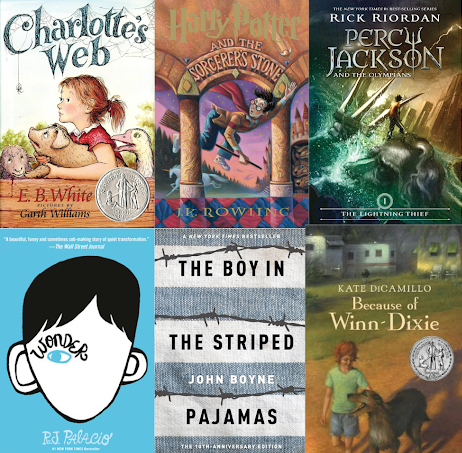

Reading has been a constant form of entertainment for centuries. In fact, it’s possibly one of the oldest forms of entertainment yet. While many other items of entertainment have been completely transformed into something new, reading has only ever slightly evolved itself to the modern world. A recent concern, as this hobby changes, is whether or not listening to an audio adaptation of a book is considered reading or not.
Before diving into where the line between reading and ‘cheating’ lies, it’s important to define what ‘reading a book’ truly means. By definition, listening to a transcript of the text is not technically reading. Your eyes aren’t scanning over the paper, your fingers aren’t flipping through the pages, and your mind isn’t struggling to pronounce that one character’s name. You already know the struggle if you read fantasy.
However, reading is also the art of understanding complicated dynamics of characters, plots, and overall storytelling; a skill that is mastered through words in general, not when written down on paper. And for the most part, you can fold your laundry while doing so.
According to an NPR-Ipsos poll, 40% of Americans argue that listening to the audiobook version of a book is not considered reading. The research continued to prove that this idea was typically supported by men over the age of 65; people who grew up in a time when audiobooks weren’t available, and now might look like a way to cheat out reading. Despite this, more research from this same poll showed that readers retain relatively the same amount and depth of information, no matter the way they chose to read the book.
In the end, when reading a book, it’s all for the fun of it. It should be tailored to the reader. If audiobooks work for someone, it should be acceptable for them to exercise their hobby in that way without shame. And vice versa. Any way that a person wants to express reading, it should be accessible to them.