
What began as an expedition cruise, the Dutch-flagged MV Hondius quickly turned into an international health emergency after a hantavirus outbreak caused various passenger and crew members to become ill during the ship’s Atlantic voyage.
What is Hantavirus?
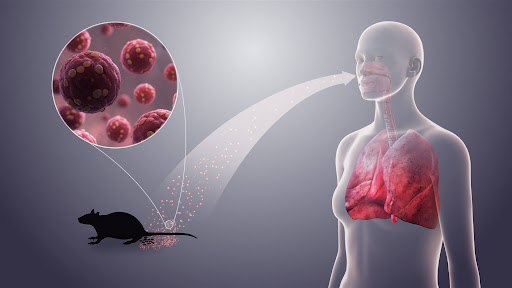
Hantavirus is a rare but serious virus spreading mainly through exposure to infected rodents. The virus can cause severe respiratory illness and requires early medical attention if symptoms develop. Hantavirus can be serious, and in some cases, lead to death, but it doesn’t always.
How the Outbreak Began?
Health investigators believe the outbreak may have started after passengers or crew members were exposed to areas contaminated by infected rodents. Hantavirus is commonly spread through contact with rodent urine, droppings, or saliva, especially in enclosed spaces with poor ventilation.
Symptoms To Watch For
Early symptoms can look similar to the flu, which makes it harder to recognize at first. People should watch for
- Fever
- Fatigue
- Muscle aches
- Headaches
- Diziness
- Nausea or Stomach discomfort
As the illness becomes more severe, symptoms may include
- Coughing
- Shortness of breath
- Tightness in the chest
- Rapid heartbeat
- Feeling like you can’t get enough air
Personal Opinion
The people on the cruise ship should remain on board and avoid contact with others due to the situation being unsafe and unsanitary. Allowing potentially infected individuals to move freely puts millions of lives at risk due to dangerous rodent-related diseases. This situation closely resembles the COVID-19 outbreak in 2020, when a lack of understanding allowed the virus to spread rapidly across the world. Passengers should have undergone strict medical screening and been placed under quarantine before being allowed to leave the ship. Anyone requesting to return to their home countries or islands should be carefully monitored and held in designated hospitals or quarantine facilities where medical personnel can promptly identify and treat the illness.
Recent updates have changed the understanding of the situation.
Reports show that some passengers returned to the United States and failed to follow quarantine protocols, which is deeply concerning and irresponsible. Actions like these show a lack of awareness about how quickly diseases can spread and the impact they can have on the entire population. In a situation like this, strict isolation is necessary to protect public health. If placed in the same position, remaining isolated would be the reasonable choice. Overall, this situation is serious and should not be taken lightly. Governments allowing passengers to re-enter their countries must enforce strict health precautions and monitoring procedures. The handling of this outbreak reflects lessons that should have been learned from COVID- 19, and failure to act carefully could allow history to repeat itself.
Current Situation and Uncertainty
At this point, not all details of the outbreak may be fully confirmed. Health officials continue investigating how the exposure occurred and whether any additional cases could appear. Because of this, experts emphasize monitoring updates closely as more information becomes available. In situations like this, conclusions are often based on ongoing investigations, meaning the full picture may not be immediately clear. For now, officials continue to track the situation, and more answers are expected as time goes on.